
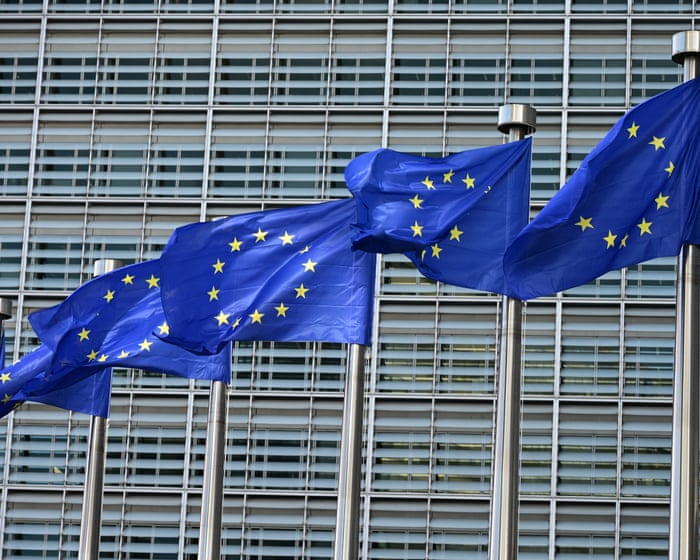
The effects of the continent’s coming polls will be felt far and wide – and could well turn into ‘key tests’ of the bloc’s resilience In late 1998, Tony Blair was prime minister of Britain, Lionel Jospin was prime minister of France, and Gerhard Schröder had just been elected chancellor of Germany.
The EU had 15 member states and pro-European, centre-left parties were in power – either alone or in coalitions – in all but two of them. Brisk economic growth was lifting living standards. Eastward enlargement was under way. In Washington, Bill Clinton was pursuing the same brand of “third way” centrism as a middle path between free-market capitalism and traditional socialism.
The EU felt like it had the tide of history behind it. Continue reading...